9 Book-to-Screen Adaptations You Need to Read Before They Hit Screens This Fall
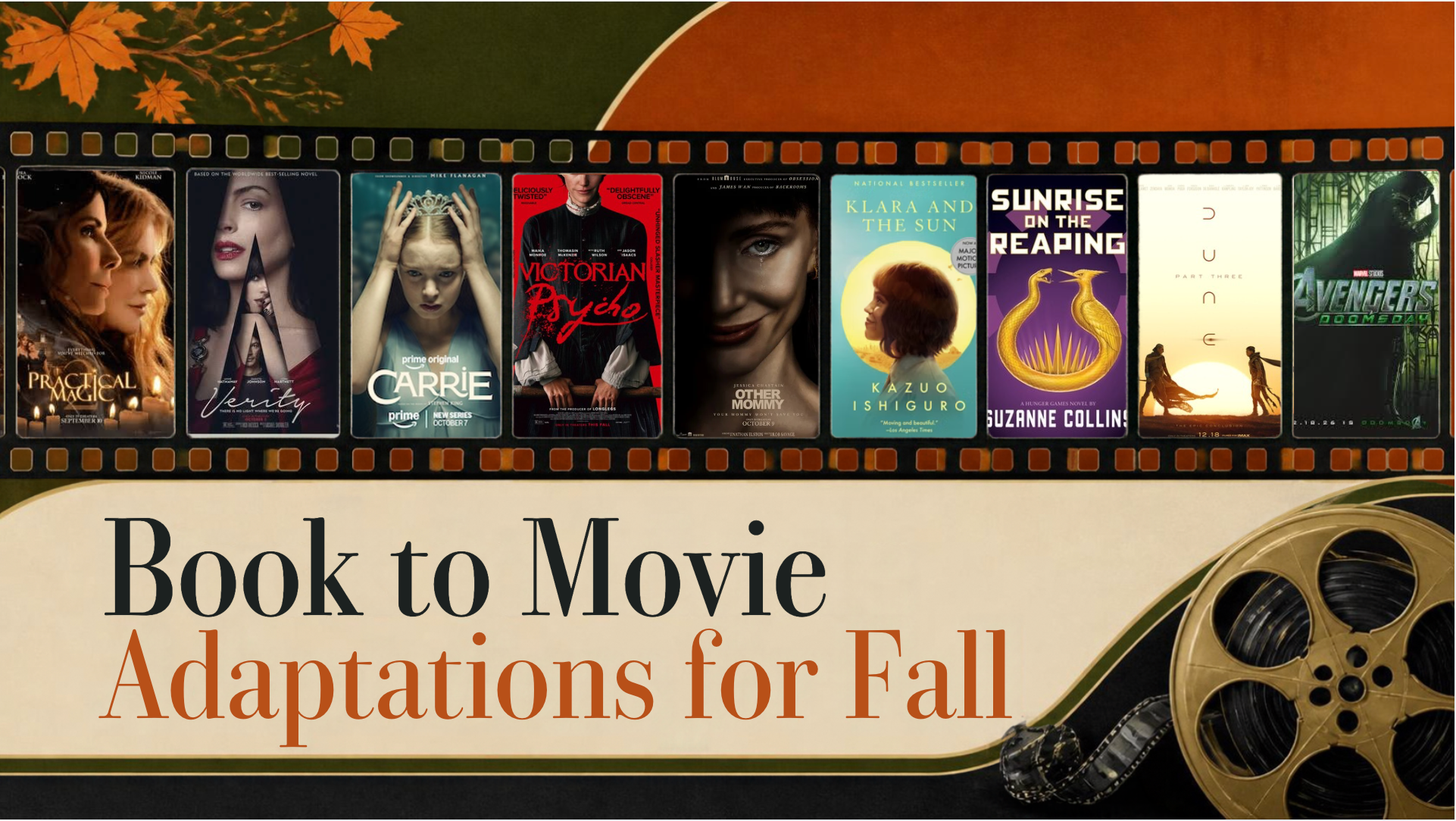
Fall used to mean pumpkin spice and prestige dramas. In 2026, it means clearing your TBR pile before Hollywood spoils the ending for you. This season's adaptation slate is unusually stacked, and unusually dark, leaning hard into horror, dystopia, and quietly unsettling sci-fi rather than the beach-read romances that dominated earlier in the year. Whether you're the type who reads the book the second an adaptation is announced or the type who'll happily watch first and argue about faithfulness later, here's what's worth your attention before the credits roll.
1. Practical Magic 2 (In theaters September 11)
Nearly three decades after the original made witchcraft look like the best possible way to cope with heartbreak, Sandra Bullock and Nicole Kidman return alongside Stockard Channing and Dianne Wiest, this time adapting Alice Hoffman's The Book of Magic rather than the original novel. With four books total in Hoffman's Owens family series, there's a real possibility this becomes a franchise rather than a one-off nostalgia play, which raises the stakes for how this installment lands.
2. Verity (In theaters October 2)
Colleen Hoover's thriller-romance hybrid has been one of BookTok's most-discussed titles for years precisely because readers can't agree on how to feel about it. Amazon MGM Studios' adaptation, starring Anne Hathaway and Dakota Johnson, hits wide theatrical release after a delay from its original May date. That ambiguity is either the adaptation's biggest asset or its biggest risk.
3. Carrie (Streaming on Prime Video, October 7)
Stephen King's prom-night reckoning gets its first full television treatment: an eight-episode limited series from Mike Flanagan, with all episodes dropping at once rather than weekly. The character has been reinterpreted for nearly every decade since 1976; the question worth asking in your piece is what a 2026 Carrie is actually afraid of.
4. Other Mommy (In theaters October 9)
Rob Savage's paranormal thriller, based on Josh Malerman's Incidents Around the House, stars Jessica Chastain as a mother facing down an entity wearing her own face. A creeping domestic horror entry that's flying under more radars than it should be, good spec-pitch territory precisely because it isn't the obvious headline.
5. Klara and the Sun (In theaters October 23)
Taika Waititi's adaptation of Kazuo Ishiguro's quietly devastating novel asks what it means to be loved on borrowed time, this time with Jenna Ortega as the artificial companion at its center. The story functions as a mirror held up to where technology is actually taking us, which makes it the rare adaptation on this list built to provoke discourse rather than just deliver scares.
6. Victorian Psycho (In theaters November 13)
Virginia Feito adapts her own gothic horror novel for the screen, with Maika Monroe starring as a governess whose new household starts losing staff members. A stylish, unsettling swing that's positioning itself as this season's prestige-horror conversation piece.
7. The Hunger Games: Sunrise on the Reaping (In theaters November 20)
Suzanne Collins' prequel interrogates what it means to live under the Capitol's boot before Katniss ever picks up a bow, essential reading for anyone who wants to understand Haymitch before the movie tells them how to feel about him.
8. Dune: Part Three (In theaters December 18)
Denis Villeneuve's trilogy closer, adapting Frank Herbert's Dune Messiah, continues its negotiation of power on a scale few adaptations attempt. If you haven't finished Herbert's original novels, this is your last spoiler-free window.
9. Avengers: Doomsday (In theaters December 18)
Not a book adaptation in the traditional sense, but its head-to-head release date against Dune: Part Three (a collision fans have already nicknamed "Dunesday") signals something real: publishers and studios are increasingly treating comics, tie-in fiction, and legacy IP as part of the same "read before you watch" conversation as literary fiction. Worth a line of acknowledgment even in a books-first piece.
The bigger picture: what's notable about this slate isn't any single title, it's the range. Gothic horror sitting next to literary sci-fi sitting next to YA dystopia suggests studios have stopped chasing one adaptation "genre" and started mining the backlist wherever the fanbase already exists. For readers, that's an invitation to get ahead of the conversation instead of catching up to it.
Post a comment